Основное преимущество использования осушитель заключается в его способности эффективно снижать влажность в помещении (в идеале от 40% до 60%), тем самым подавляя рост плесени, уменьшая размножение бактерий, защищая мебель и бытовую технику, улучшая комфорт человека и снижая затраты на техническое обслуживание и ремонт в долгосрочной перспективе. Для семей, проживающих в южных регионах в сезон дождей или в прибрежных районах с повышенной влажностью, подойдет осушитель не только улучшает качество жизни, но также является важным устройством для защиты здоровья и дома.
Контент
При слишком высокой влажности воздуха (более 70%) рост плесени значительно ускоряется. Исследования показывают, что когда влажность в помещении падает с 80% до примерно 50%, рост плесени можно уменьшить более чем на 70%. Осушители непрерывно извлекать влагу из воздуха с помощью технологии конденсации или роторного осушителя, стабилизируя влажность в помещении в пределах здорового диапазона.
Подходящий уровень влажности (40–60%) позволяет:
Для семей с пожилыми людьми, детьми или людьми, страдающими аллергией, с высокоэффективным осушитель особенно важно.
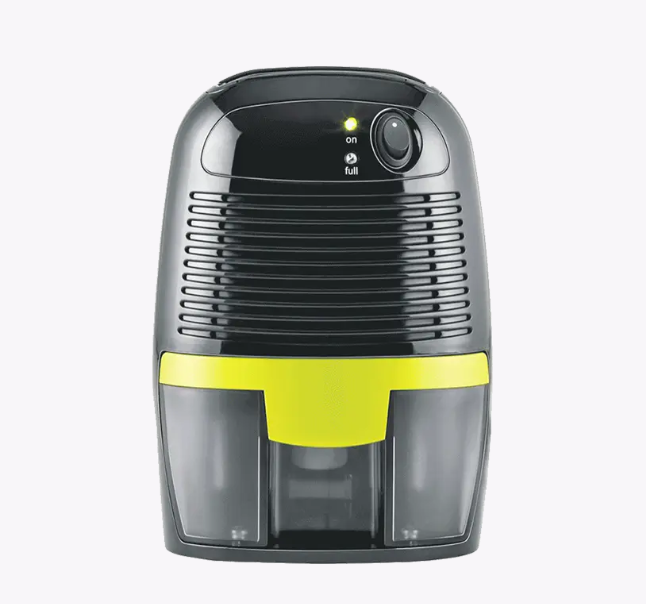
Среда с высокой влажностью легко приводит к росту плесени на стенах, влажным шкафам и матрасам, создавая резкий затхлый запах. Особенно во влажную погоду или в сезон дождей содержание влаги в стенах может подняться до более чем 15%, что делает образование плесени чрезвычайно легким.
Используя осушитель может:
В реальном примере 12л. осушитель непрерывная работа в течение 4 часов в помещении с 20 спальнями снизила влажность с 75% до примерно 55%, что значительно улучшило качество воздуха.
Влага — «невидимый убийца» деревянной мебели, полов и бытовой техники. Длительное воздействие высокой влажности может привести к:
Конюшня осушитель Продлит срок службы мебели и техники. По сравнению с заменой напольного покрытия или ремонтом бытовой техники, инвестиции в осушитель явно более рентабельно.
Высокая влажность препятствует испарению пота, из-за чего воздух кажется душным даже при невысокой температуре. Данные показывают, что при той же температуре:
Поэтому, используя осушитель в сочетании с кондиционированием воздуха летом можно повысить эффективность охлаждения и сократить потери энергии. Некоторые семьи могут повысить температуру кондиционирования воздуха на 1–2°C, используя осушитель правильно, тем самым уменьшая счета за электроэнергию.
В сезон дождей одежде часто требуется более 24 часов, чтобы полностью высохнуть. Используя осушитель может:
Какой-то элитный осушительs оснащены «режимом сушки», подходящим для таких помещений, как балконы и прачечные, эффективно решая проблему длительной сырости.
Современный осушительs использовать компрессорное холодильное осушение или роторную технологию низкотемпературного осушения, постоянно улучшая показатели энергоэффективности. Принятие уровня 1 по энергоэффективности осушитель в качестве примера:
По сравнению с затратами на техническое обслуживание, вызванными влажностью, этот тип затрат на электроэнергию относительно контролируем. Кроме того, некоторые модели поддерживают интеллектуальные функции измерения влажности и таймера, что еще больше повышает энергоэффективность.
При покупке осушитель , обратите внимание на следующее:
Например:
Правильное соответствие имеет важное значение для максимизации осушитель эффективность.
Осушители это больше, чем просто бытовая техника; они гарантия вашего здоровья.
Преимущества осушительs выходят за рамки простого удаления влаги; они охватывают охрану здоровья, улучшение качества воздуха, сохранение мебели, повышение комфорта и оптимизацию энергоэффективности. Особенно во влажном климате, осушительs стали незаменимым прибором в современных домах.
Если вы столкнулись с такими проблемами, как заплесневелые стены, медленно сохнущая одежда или душный и влажный воздух, используйте качественную осушитель — эффективное решение для улучшения качества вашей жизни.

@ 2022. CIXI XIATIAN ELECTRICAL APPLIANCES CO.,LTD. Все права защищены.
Оптовые производители высококачественных электрических вентиляторов



 английский
 한국어
한국어