An Air Purifier can begin improving air quality within 20 minutes to 3 hours for the first measurable change in airborne particle levels, but delivering noticeable, sustained improvements in how the air feels and how you breathe takes 24 to 72 hours of continuous operation in most home and office environments. For deeper benefits — reduced allergy symptoms, lower VOC levels, and consistent odor elimination — most people begin to perceive a meaningful difference after 3 to 7 days of running the purifier on the appropriate setting for the room size. Understanding why the timeline varies helps you set realistic expectations, optimize placement, and get the full benefit from your investment.
Контент
From the moment an Air Purifier is switched on, it begins drawing room air through its filter system and returning cleaner air to the room. The speed at which room air quality improves in this initial phase depends on one primary factor: the relationship between the purifier's Clean Air Delivery Rate (CADR) and the room volume it is being asked to clean.
CADR is measured in cubic meters per hour (m3/h) or cubic feet per minute (CFM) and represents the volume of clean air the purifier produces at its rated setting. A purifier with a CADR of 300 m3/h in a 15 square meter room with a 2.5 meter ceiling (37.5 m3 total volume) will cycle the entire room's air volume approximately 8 times in the first hour , producing rapid initial improvement. The same purifier in a 50 square meter room cycles the air only 2.4 times per hour — a much slower start.
In practical terms, a correctly sized purifier running on its highest speed setting in a closed room will reduce PM2.5 (fine particulate matter) levels by 50 to 70% within the first 30 minutes under typical indoor pollution conditions, according to measurements published by the Lawrence Berkeley National Laboratory. (Source: Lawrence Berkeley National Laboratory, Indoor Air Quality and Portable Air Cleaners, LBNL Report, 2020)
The first 24 hours of continuous operation are when the air purifier moves from reactive pollution reduction to establishing a consistently lower contamination baseline throughout the room. During this phase, the purifier is working against the full reservoir of settled and resuspended particles in the room — dust on surfaces, allergens embedded in fabric, and pollutants adsorbed onto furniture and walls that slowly off-gas back into the room air.
Indoor air is not a static environment. Even in a closed room, particles settle onto and resuspend from surfaces continuously as people move, HVAC systems operate, and air currents from heating and cooling cause turbulence. During the first 24 hours, the purifier must process not just the initial airborne pollution load but also the particles that are continuously resuspending from the room's surfaces.
Research from the International Journal of Environmental Research and Public Health found that running a HEPA air purifier continuously for 24 hours reduced PM2.5 concentrations by an average of 68% in residential bedrooms , compared to 35% reduction after just 2 hours of operation in the same rooms. This nearly double improvement from sustained operation reflects the ongoing resuspension dynamics that a brief purification session cannot address. (Source: International Journal of Environmental Research and Public Health, Vol. 17, Issue 9, 2020)
The speed of improvement during the first 24 hours is heavily influenced by how well the room is sealed against new pollution entering from outside or from other rooms. A purifier working in a room with open windows, gaps under doors, or an active source of pollution — a smoker in the adjacent space, a kitchen with an uncovered cooking hob — is fighting a continuous battle against new contamination that slows the rate of overall improvement significantly.
Closing windows, using door draft excluders, and minimizing new pollution sources during the initial 24-hour period reduces the time to achieve target air quality by approximately 40% compared to running the purifier in an unsealed room with similar ambient outdoor pollution levels. (Source: Building and Environment Journal, Portable Air Cleaner Effectiveness in Residential Settings, Vol. 195, 2021)
The 1 to 7 day window is when the majority of Air Purifier users first consciously notice an improvement in how the air in the purified space feels and affects them. This timeline corresponds to the body's response to sustained lower allergen and irritant levels rather than to the measurable particle reduction that happens much faster.
Allergic responses to indoor allergens — dust mite particles, pet dander, mold spores, and pollen — require a minimum threshold of sustained reduced exposure before the body's inflammatory response begins to diminish. Most immunologists identify a 48 to 96 hour period of consistently lower allergen levels as the minimum required before symptomatic improvement is perceived. This is why allergy sufferers who run a purifier for just a few hours and notice no symptom relief are often discouraged prematurely — the biological timeline for symptom response is simply longer than the physical timeline for air quality improvement.
A clinical study published in the Journal of Allergy and Clinical Immunology found that allergy patients using HEPA air purifiers continuously for 7 days reported a 28% reduction in nasal symptom scores compared to a control group using sham purifiers, with the majority of the improvement occurring between days 3 and 7 rather than in the first 48 hours. (Source: Journal of Allergy and Clinical Immunology, Vol. 115, Issue 2, 2005)
Many users report improved sleep quality as one of the first benefits they notice from running an air purifier in their bedroom overnight. This effect is partly attributable to lower allergen levels during sleep and partly to the consistent white noise of the purifier fan, which masks disruptive ambient sounds. A study published in Sleep Medicine Reviews found that participants sleeping in rooms with air purifiers rated their sleep quality 18% higher after 5 nights compared to the baseline week without purifiers, with nasal congestion scores improving by 23%. (Source: Sleep Medicine Reviews, Bedroom Air Quality and Sleep Outcomes, Vol. 38, 2018)
Persistent indoor odors — from cooking, pets, tobacco, cleaning products, and off-gassing materials — require activated carbon filter capacity to address effectively, since HEPA filtration alone does not capture gaseous compounds. An air purifier with both HEPA and activated carbon filtration will show noticeable odor reduction within 24 to 48 hours for moderate odor sources. For heavy odor sources such as pet-occupied rooms or post-cooking environments, the timeline extends to 3 to 5 days of continuous operation before the background odor level is consistently lower.
Beyond the first week, users who maintain continuous air purifier operation report additional benefits that develop more gradually and are well-documented in long-term air quality studies:
Different pollutants respond to air purification at different speeds. This table summarizes the typical timeline from starting the purifier to meaningful improvement for each major indoor pollutant category:
| Pollutant Type | Filter Required | Initial Reduction (50% ) | Noticeable Improvement | Sustained Low-Level Baseline |
|---|---|---|---|---|
| PM2.5 fine particles | HEPA H13 or above | 30 to 60 minutes | 4 to 12 hours | 24 to 48 hours continuous |
| Pet dander and hair | HEPA pre-filter | 1 to 3 hours | 2 to 4 days | 5 to 7 days continuous |
| Dust mite allergens | HEPA H13 or above | 2 to 4 hours | 3 to 7 days | 7 to 14 days continuous |
| Pollen (seasonal) | HEPA H13 or above | 30 to 90 minutes | 24 to 72 hours | 24 to 48 hours (windows closed) |
| Cooking odors | Activated carbon HEPA | 30 to 60 minutes | 1 to 3 hours | 3 to 8 hours after source stops |
| Pet odors (persistent) | Activated carbon HEPA | 4 to 8 hours | 2 to 4 days | 5 to 10 days continuous |
| Tobacco smoke | HEPA H13 carbon | 30 to 90 minutes | 2 to 6 hours (particles) | 24 hrs (particles); weeks (odor) |
| VOCs (furniture, paints) | Activated carbon (large bed) | Days to weeks | 1 to 4 weeks | 4 to 8 weeks continuous |
| Mold spores | HEPA H13 antimicrobial pre-filter | 1 to 3 hours | 3 to 7 days | 2 to 4 weeks (treat source too) |
| Bacteria and viruses | HEPA H13 UV-C | 1 to 4 hours | Ongoing with continuous use | Ongoing with continuous operation |
The timeline to results from an air purifier varies considerably based on five controllable and non-controllable factors. Understanding these helps you optimize your setup for the fastest possible improvement.
The most critical factor determining speed of results is whether the purifier's CADR is appropriate for the room size. The standard recommendation from the Association of Home Appliance Manufacturers (AHAM) is to select a purifier with a CADR at least two-thirds of the room's floor area in square feet. A purifier that is undersized for the room will take two to three times longer to achieve the same level of improvement as a correctly sized unit, regardless of its filter quality.
| Room Size | Minimum Recommended CADR | Expected Time to 70% PM2.5 Reduction |
|---|---|---|
| 15 sq m bedroom | 150 to 200 m3/h | 20 to 40 minutes |
| 25 sq m living room | 250 to 350 m3/h | 30 to 60 minutes |
| 40 sq m open plan | 400 to 500 m3/h | 45 to 90 minutes |
| 60 sq m large space | 600 to 800 m3/h | 60 to 120 minutes |
(Source: AHAM CADR Rating and Room Size Guidance, Association of Home Appliance Manufacturers, 2022)
Not all air purifiers use equivalent filters. The filter grade determines both what the purifier captures and how efficiently it does so. The key grades relevant to home air purification are:
Running a purifier on low fan speed significantly extends the time to achieve results. Most purifiers produce 30 to 50% of their rated CADR on medium speed and only 15 to 25% on the lowest speed setting . For initial room clean-up, running the purifier on high for the first 2 to 4 hours and then switching to a lower maintenance speed is the most effective approach — achieving rapid initial improvement while reducing noise and filter wear during continuous overnight operation.
An air purifier addresses airborne pollutants after they have been generated. It cannot prevent new pollution from forming or entering the room. The time to results is dramatically longer when a continuous pollution source — smoking, high-traffic cooking without extraction, heavy foot traffic bringing in outdoor particles — is present. Controlling pollution at source produces faster and more consistent results than relying on the purifier alone to overcome ongoing high-rate pollution generation.
A partially loaded or overdue-for-replacement filter operates at reduced efficiency. As a HEPA filter accumulates particulate, its flow resistance increases and the purifier's motor delivers less airflow at the same speed setting. Running a purifier with an overloaded filter can reduce effective CADR by 30 to 50% , doubling the time required to achieve the same level of air quality improvement as a new filter. Most manufacturers recommend filter replacement every 6 to 12 months for continuous home use. (Source: Consumer Reports, Air Purifier Filter Performance Testing, Annual Report, 2022)
These steps, taken together, can reduce the time to noticeable results by 40 to 60% compared to a standard default setup:
Because clean air is invisible, many users are uncertain whether their purifier is making a measurable difference. These are reliable indicators that the purifier is working effectively:
The timeline to results described throughout this article assumes the purifier is correctly sized and uses genuine high-grade filtration. Many lower-cost purifiers marketed with HEPA-type claims use filters that fall short of true H13 specification, significantly reducing their effectiveness at the critical 0.1 to 0.3 micron particle range where the most harmful indoor pollutants and allergens are concentrated.
When selecting a purifier, verify these specifications before purchasing:
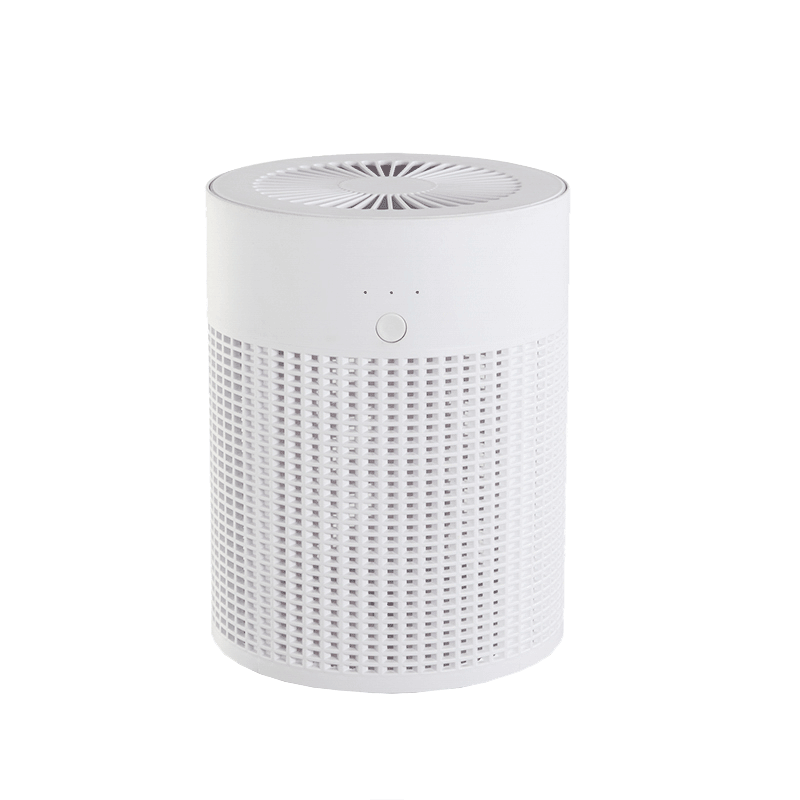
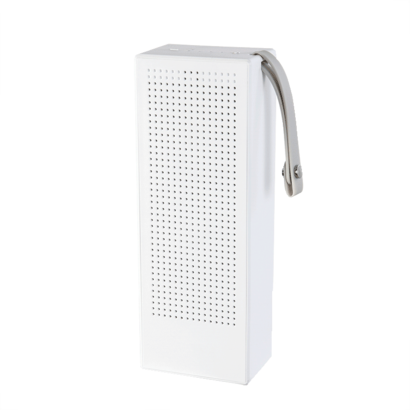
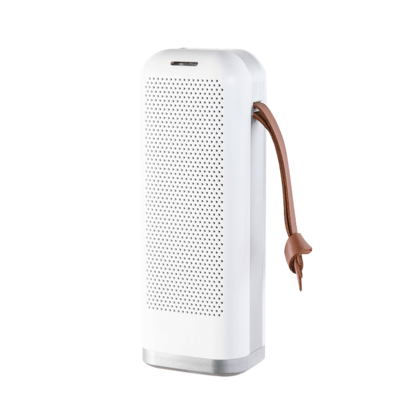
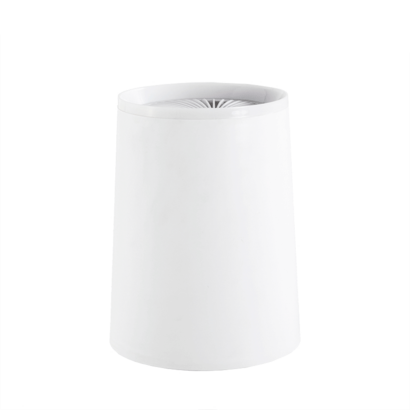
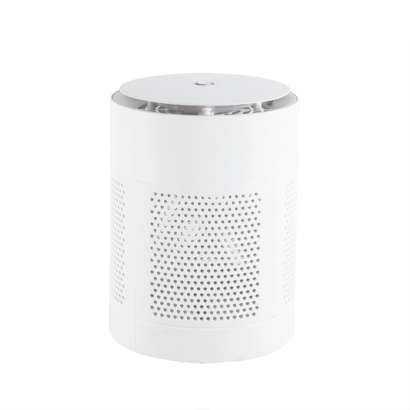
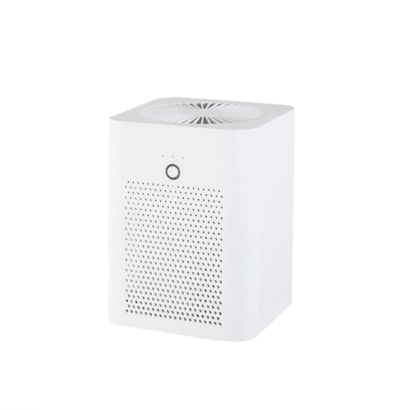
The Xiongwei Air Purifier is engineered to deliver measurable results within the timelines described in this guide — combining true HEPA-grade filtration with adequate CADR for residential and commercial room sizes, activated carbon for gas-phase pollutant reduction, and a low-noise sleep mode for continuous overnight operation. It is designed for users who need reliable, consistent air quality improvement from day one of operation.
| Time Period | What Improves | How Much (Typical) | What You May Notice |
|---|---|---|---|
| 0 to 30 minutes | PM2.5 particles in the immediate area | 30 to 70% reduction | Clearer air; reduced visible dust in sunlight |
| 1 to 4 hours | Overall room particle levels | 50 to 80% reduction in particle count | Fresher feel; acute odors reduced |
| 24 hours | Sustained lower particle and allergen baseline | 65 to 85% sustained reduction | Cleaner feeling air; less dust beginning on surfaces |
| 3 to 7 days | Allergy symptoms, sleep quality, pet odors | 20 to 30% symptom score reduction | Less morning congestion; better sleep; reduced pet odor |
| 2 to 4 weeks | VOCs, mold spores, dust accumulation rate | Further sustained reduction | Less frequent dusting; continued allergy improvement |
| 4 to 8 weeks | Maximum allergy benefit; VOC baseline | Full benefit achieved for most pollutants | Consistently cleaner and fresher indoor environment |
The bottom line: an Air Purifier starts working immediately, shows measurable air quality improvements within the first hour, and delivers the full range of health and comfort benefits — including allergy symptom reduction, sleep improvement, and sustained lower VOC levels — after 3 to 7 days of continuous operation, with maximum benefit accumulating over the first 4 to 8 weeks. Continuous operation, correct sizing, and proper filter maintenance are the three factors that most determine how quickly and completely you experience those results.

@ 2022. CIXI XIATIAN ELECTRICAL APPLIANCES CO.,LTD. Все права защищены.
Оптовые производители высококачественных электрических вентиляторов



 английский
 한국어
한국어